Raja Bazar Rawalpindi History: The Beating Heart of the City
Raja Bazar Rawalpindi History
📌 Introduction: Why Raja Bazar Matters
Raja Bazar in Rawalpindi is not just a market—it’s a living heritage site, a commercial hub, and a symbol of Rawalpindi’s vibrant culture. For decades, it has connected people through trade, traditions, and stories. Whether you’re a student exploring history, a traveler seeking cultural depth, or a professional studying urban development, this article unveils the rich history, growth, and timeless appeal of Raja Bazar.
👉 Fun Fact: Raja Bazar is often called the “soul of Rawalpindi” because it reflects the city’s true lifestyle.
🏰 Historical Origins of Raja Bazar
The story of Raja Bazar begins during the British colonial era (mid-19th century). Rawalpindi was developed as a military garrison city, and its proximity to the famous Grand Trunk Road (GT Road) made Raja Bazar a natural commercial hub.
- Colonial Foundation: Traders were encouraged to set up shops to cater to both locals and military needs.
- Post-Partition (1947): The bazar flourished when traders from India migrated to Rawalpindi, bringing with them new goods, traditions, and business practices.
- Cultural Mix: Punjabi, Kashmiri, and Pashtun merchants all left their mark, creating one of Pakistan’s most diverse markets.
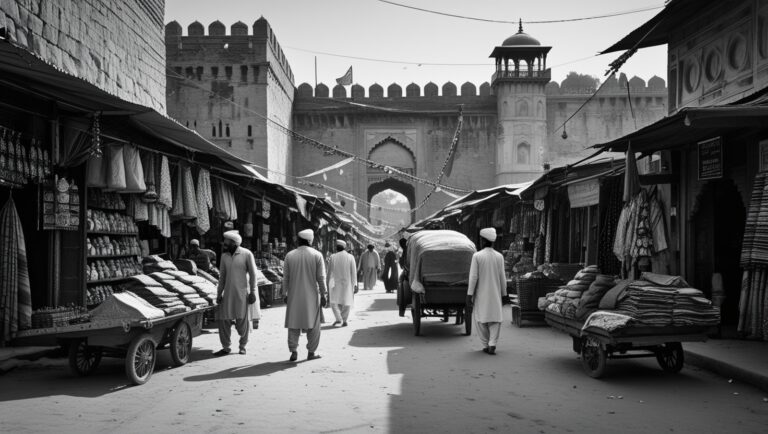
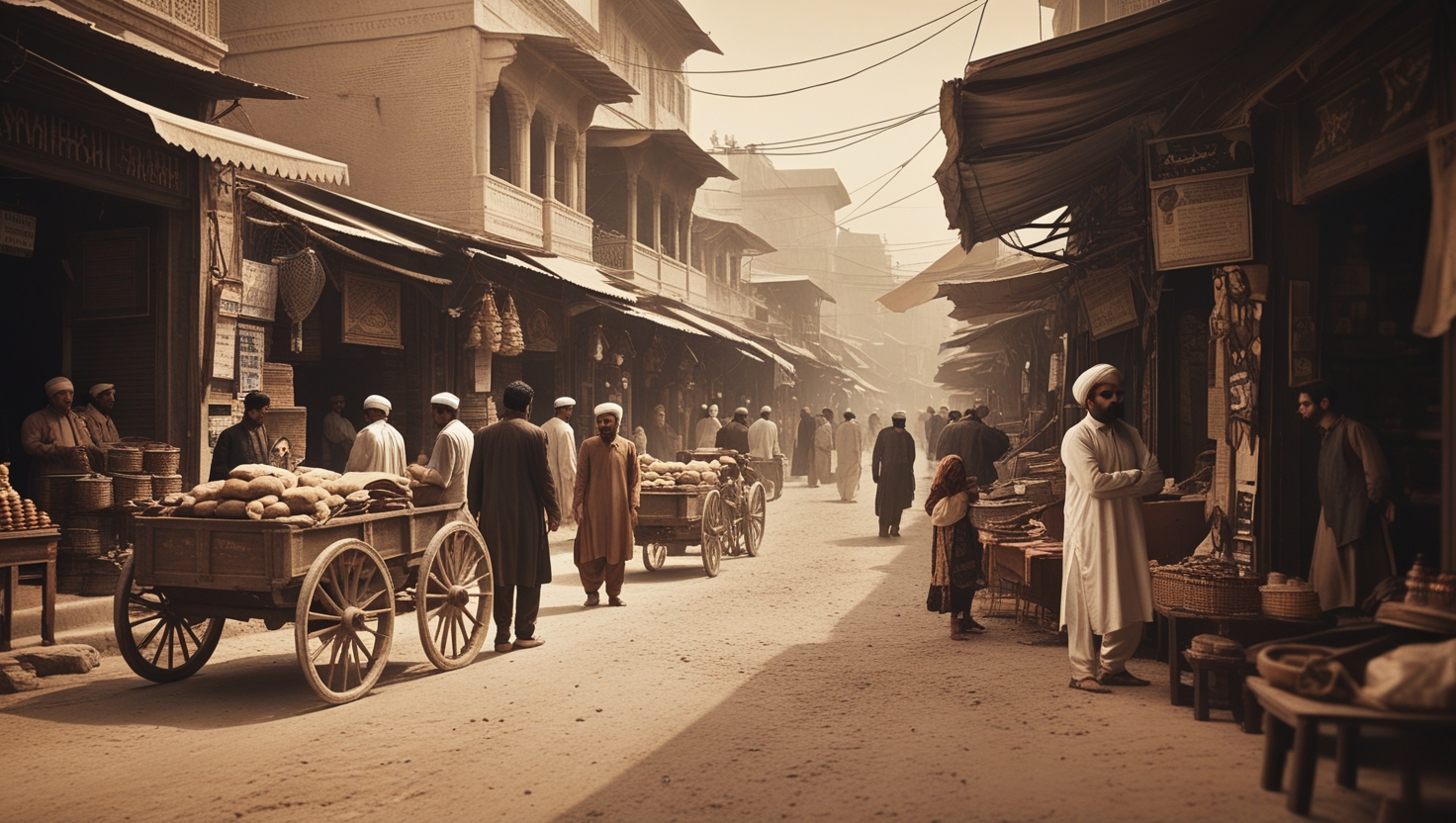
📷 [Visual Suggestion: Historical black-and-white photo of Raja Bazar during the 1940s]
🛍️ Raja Bazar Across the Decades
1950s–1970s: Traditional Growth
- Famous for cloth, spices, and jewelry.
- Became the number one shopping destination for weddings and festivals.
- Home to handmade crafts and imported products.
1980s–2000s: Modern Boom
- Expansion into electronics, shoes, cosmetics, and wholesale goods.
- Became a business hub for Rawalpindi, Islamabad, and surrounding towns.
- Infrastructure development brought bigger crowds but also traffic congestion.
Present Day: Tradition Meets Modernity
- Raja Bazar remains a fusion of old charm and new trends.
- Everything from smartphones to bridal dresses is available.
- Despite shopping malls, the bazar is unbeatable in affordability and variety.
📊 [Visual Suggestion: Infographic showing Raja Bazar’s journey from 1950s to today]
🌍 Location & Layout: The Heart of Rawalpindi
Raja Bazar sits at the center of Rawalpindi, connecting countless sub-markets:
- Fawara Chowk: A central landmark that channels traffic into the bazar.
- Moti Bazar, Sarafa Bazar, Sabzi Mandi: Specialized trade zones.
- Accessibility: Connected to GT Road, Saddar, and Murree Road, making it the busiest trade hub in the city.
📍 [Visual Suggestion: Map of Rawalpindi highlighting Raja Bazar and surrounding areas]
🛒 Why Raja Bazar Stands Out
- Wholesale Prices: Ideal for shopkeepers from smaller towns.
- Diverse Products: Fabrics, jewelry, electronics, cosmetics, shoes, food, and more.
- Cultural Experience: Street food, bargaining, and festive vibes make shopping exciting.
✅ Pro Tip: Bargaining isn’t optional here—it’s part of the experience!
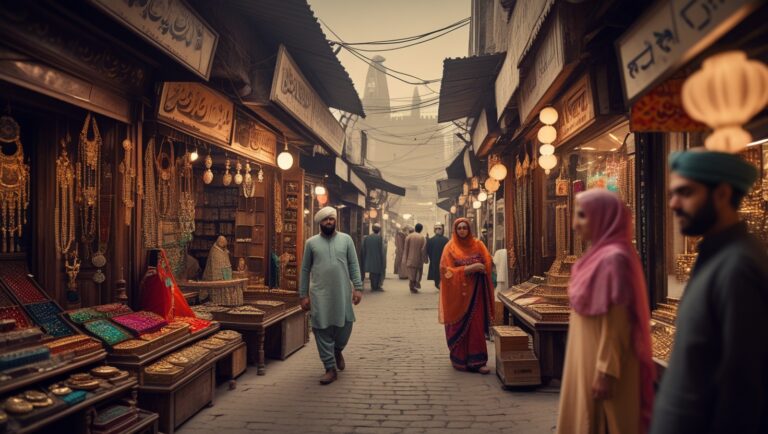
📷 [Visual Suggestion: Colorful collage of shops, vendors, and customers]
📖 Indian Context: A Familiar Parallel
For Indian readers, Raja Bazar is much like Delhi’s Chandni Chowk or Kolkata’s New Market. Just as those bazaars are historic trade centers, Raja Bazar tells a story of cultural resilience.
👉 Example: Ramesh, a teacher from Delhi, once described Raja Bazar as “the Pakistani Chandni Chowk” for its crowded lanes, variety, and heritage charm.
🔑 Economic Importance
Raja Bazar is not just about shopping; it’s a major economic engine:
- Provides jobs to thousands including shopkeepers, loaders, and transporters.
- Supplies goods across Punjab and Khyber Pakhtunkhwa.
- Witnesses record-breaking sales during Eid and wedding seasons.
📊 [Visual Suggestion: Pie chart of main trade categories—clothing, jewelry, electronics, food]
🚶 Challenges of Raja Bazar
Despite its charm, Raja Bazar faces modern issues:
- Overcrowding & Traffic Jams
- Poor Waste Management
- Rising Competition from malls and e-commerce
- Parking Shortage
⚡ Suggested Fixes: Smart parking systems, modern waste management, and better urban planning.
📷 [Visual Suggestion: Graphic showing crowding vs solutions like better roads and parking]
🛠️ Tips for Visitors
If you plan to shop at Raja Bazar, keep these in mind:
- Best Time to Visit: Mornings (before noon).
- Must-Buy Items: Bridal wear, fabrics, spices, electronics.
- Stay Safe: Keep belongings secure in crowded lanes.
- Food to Try: Chaat, gol gappay, samosas, jalebi.
✅ Bonus: Download a free “Raja Bazar Shopping Checklist” PDF with best buys and food spots.
🌟 Conclusion: A Market That Never Sleeps
Raja Bazar is more than a commercial hub—it is Rawalpindi’s heartbeat. From colonial times to today, it continues to evolve while preserving its rich culture. Whether you’re looking for affordable shopping or a taste of heritage, Raja Bazar offers it all.
👉 Next time you’re in Rawalpindi, visit Raja Bazar—not just for shopping, but to feel the city’s soul.
📷 [Visual Suggestion: Motivational quote graphic—“Markets are where culture breathes, and Raja Bazar is Rawalpindi’s soul.”]
🔗 Call-to-Action
- Explore more: 👉 [Chandni Chowk History Guide]
- Love heritage stories? 👉 Subscribe to our newsletter.
- Been to Raja Bazar? 👉 Share your experience in the comments below!