🏰 Purana Qila Rawalpindi History: A Timeless Legacy of Heritage and Culture
🏰 Purana Qila Rawalpindi History
📌 Introduction
Purana Qila Rawalpindi, also known as the Old Fort of Rawalpindi, is one of the most significant historical landmarks in the region. This article dives deep into its rich history, architectural marvels, cultural significance, and its role in shaping the identity of Rawalpindi. Whether you are a history enthusiast, a student, or a professional looking for insights into Pakistan’s heritage, this comprehensive guide will give you everything you need to know.
(Insert infographic of Purana Qila timeline: Construction → Key Dynasties → Colonial Period → Present Day)
🌟 The Origins of Purana Qila Rawalpindi
- Early Foundation: Purana Qila is believed to have roots dating back to pre-Mughal times, serving as a small defensive settlement.
- Mughal Influence: During the Mughal era, it gained prominence as an administrative and military stronghold.
- Strategic Importance: Located in Rawalpindi, a city often called the “twin city” of Islamabad, the fort played a critical role in trade, governance, and defense.
(Add historic illustration of Mughal-era fort)
🕌 Architectural Highlights of Purana Qila
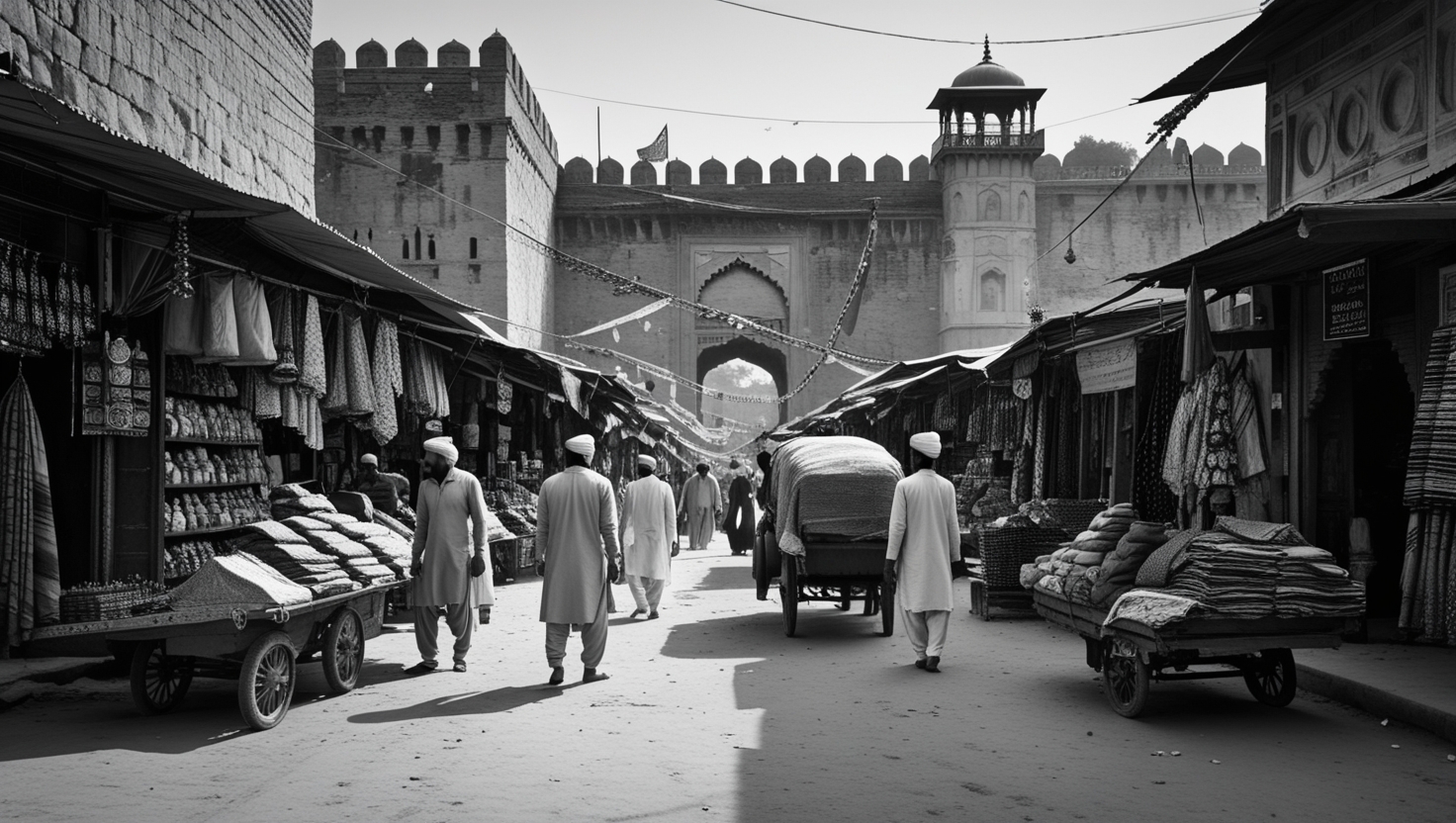
- Defensive Walls: Strong stone walls showcase the fort’s defensive nature.
- Intricate Carvings: Mughal-inspired floral patterns and arches reflect artistic excellence.
- Watch Towers: These allowed guards to oversee the bustling trade routes.
- Inner Courtyards: Designed for gatherings, trade, and royal ceremonies.
(Insert photo: Close-up of carvings/arches)
📖 Purana Qila Through the Ages
- Mughal Dynasty (16th–18th Century): Served as a military garrison and administrative hub.
- Sikh Period (1799–1849): The fort was restructured and partially modified.
- British Colonial Rule (1857 onwards): Used for military barracks and storage.
- Post-Independence (1947): The fort became a symbol of heritage but suffered neglect until recent conservation efforts.
(Add comparison chart: Purana Qila uses in different eras)
🌍 Cultural and Social Significance
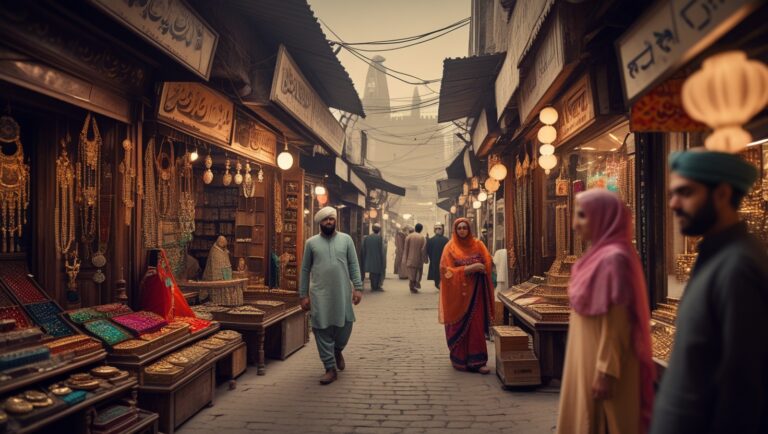
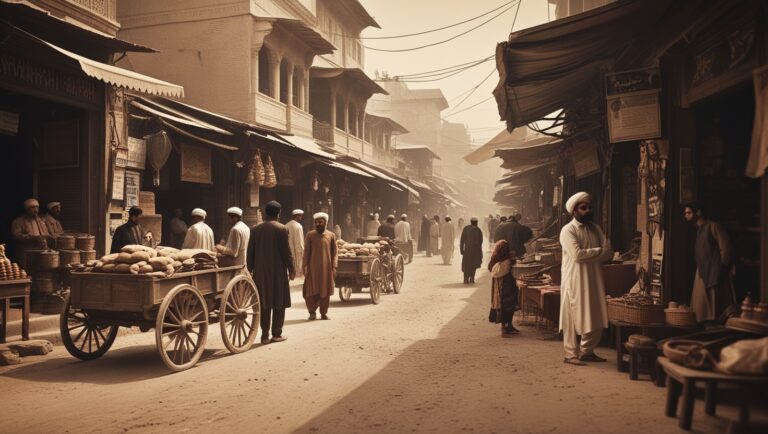
- Local Marketplace: The area around the fort evolved into a thriving market.
- Community Hub: Religious and cultural events often took place nearby.
- Symbol of Resilience: Despite political and social changes, Purana Qila remains a reminder of Rawalpindi’s heritage.
(Insert real-life photo of nearby marketplace)
🇮🇳 Relatable Indian Context
History lovers from India can relate to Purana Qila Rawalpindi through Delhi’s Purana Qila, which shares architectural and historical similarities. Just as Delhi’s fort is a symbol of resilience, Rawalpindi’s Purana Qila connects communities with their glorious past.
👉 For instance, Ramesh, a schoolteacher from Rajasthan, once organized a history trip for his students to Delhi’s Purana Qila, highlighting how heritage can inspire learning and identity. In the same way, exploring Purana Qila Rawalpindi can inspire young minds in Pakistan.
(Insert side-by-side images: Purana Qila Rawalpindi & Purana Qila Delhi)
🛠️ Actionable Guidance for Visitors
If you’re planning to explore Purana Qila Rawalpindi:
- Best Time to Visit: Winter and spring for pleasant weather.
- Guided Tours: Hire a local guide for deeper insights.
- Nearby Attractions: Combine your visit with Raja Bazaar, Moti Bazaar, and Rawalpindi Railway Station.
- Photography Tips: Early morning and sunset shots highlight its vintage charm.
(Add infographic: “Top 5 Visitor Tips for Purana Qila”)
🔍 SEO Optimization and Keywords
Primary Keywords: Purana Qila Rawalpindi history, Old Fort Rawalpindi, Purana Qila Pakistan.
Secondary Keywords: Rawalpindi heritage sites, Mughal forts in Pakistan, Purana Qila architecture, tourist attractions Rawalpindi.
Internal Links: Link to other posts on Raja Bazaar History, Moti Bazaar History, and Rawalpindi cultural sites.
External Links: Reference UNESCO and Pakistani heritage authority sources.
🏁 Conclusion
Purana Qila Rawalpindi is not just a fort—it’s a living testimony of cultural richness, historical resilience, and architectural brilliance. From Mughal rule to modern-day Pakistan, this fort continues to narrate stories of survival, trade, and heritage.