💎 Moti Bazaar Rawalpindi History: The Crown Jewel of Rawalpindi’s Heritage
💎 Moti Bazaar Rawalpindi History
📌 Introduction: Why Moti Bazaar Matters
Moti Bazaar is one of the oldest and most vibrant markets of Rawalpindi, a place where tradition, culture, and commerce beautifully blend together. Known for its bridal shopping, jewelry, fabrics, and festive vibes, this bazaar has been a favorite for generations. For visitors, it’s not just a shopping spot but an experience of heritage and elegance.
👉 Did you know? The word “Moti” means pearl, symbolizing the charm and sparkle of this bazaar.
🏰 Historical Background of Moti Bazaar
Moti Bazaar has roots that trace back to the British colonial period when Rawalpindi was rising as a key garrison and trading hub.
- Colonial Era (Late 1800s – Early 1900s): Specialized in women’s items like jewelry, embroidered clothes, and bridal wear.
- Pre-Partition Popularity: Families from nearby towns would travel here for festive and wedding shopping.
- Post-Partition Growth (1947 onwards): Migrant artisans from Amritsar, Delhi, and Jaipur brought new skills, expanding the bazaar’s offerings.
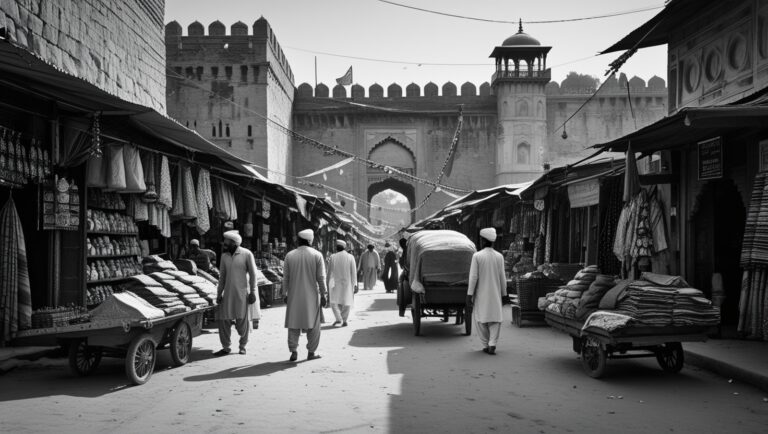
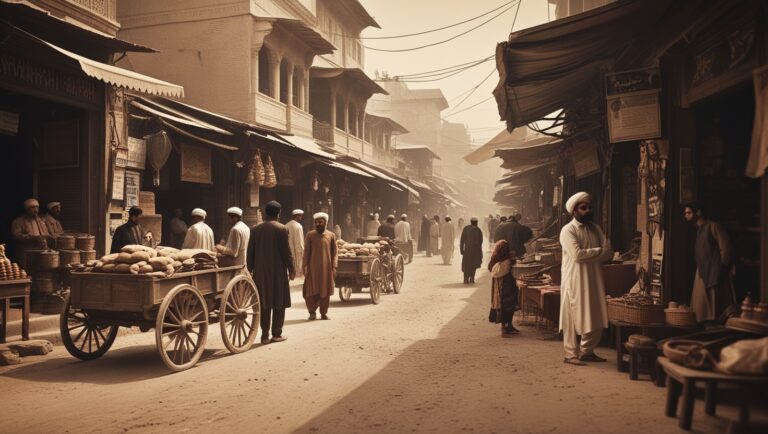
📷 [Visual Suggestion: Vintage photo of Moti Bazaar during early 20th century with jewelry and fabric shops]
🛍️ Moti Bazaar Through the Decades
1950s–1970s: The Bridal Capital
- Best known for lehngas, shararas, ghararas, bangles, and gold ornaments.
- Became a cultural tradition for brides-to-be to shop here.
- Peak times: Festivals like Eid and wedding seasons.
1980s–2000s: Fame & Expansion
- Introduction of cosmetics, handbags, and ready-made clothes.
- Reputation as a premier bridal shopping hub in Pakistan.
- Became a landmark attraction for tourists exploring Rawalpindi.
Today: Tradition Meets Fashion
- Offers bridal wear alongside modern designer replicas.
- Shops feature handbags, shoes, and latest fashion trends.
- Despite malls and e-commerce, Moti Bazaar remains unmatched for variety, affordability, and culture.
📊 [Visual Suggestion: Infographic comparing Moti Bazaar’s items in 1950s vs Today]
🌍 Location & Layout
Moti Bazaar is located near Raja Bazaar and Fawara Chowk, forming part of Rawalpindi’s historic market cluster.
- Adjacent to Sarafa Bazaar: Famous for gold and silver jewelry.
- Accessibility: Close to Saddar and Murree Road.
- Narrow Streets: Add historic charm but can get crowded.
📍 [Visual Suggestion: Illustrated market map highlighting Moti Bazaar’s position]
💎 What Makes Moti Bazaar Special?
- Bridal Paradise: Exclusive collection of wedding dresses, ornaments, and embroidered clothes.
- Cultural Crafts: Handmade bangles, mehndi cones, dupattas.
- Negotiable Prices: Bargaining adds to the shopping experience.
- Festive Energy: Glows during Eid, Basant, and wedding months.
✅ Pro Tip: Compare prices across shops before finalizing purchases.
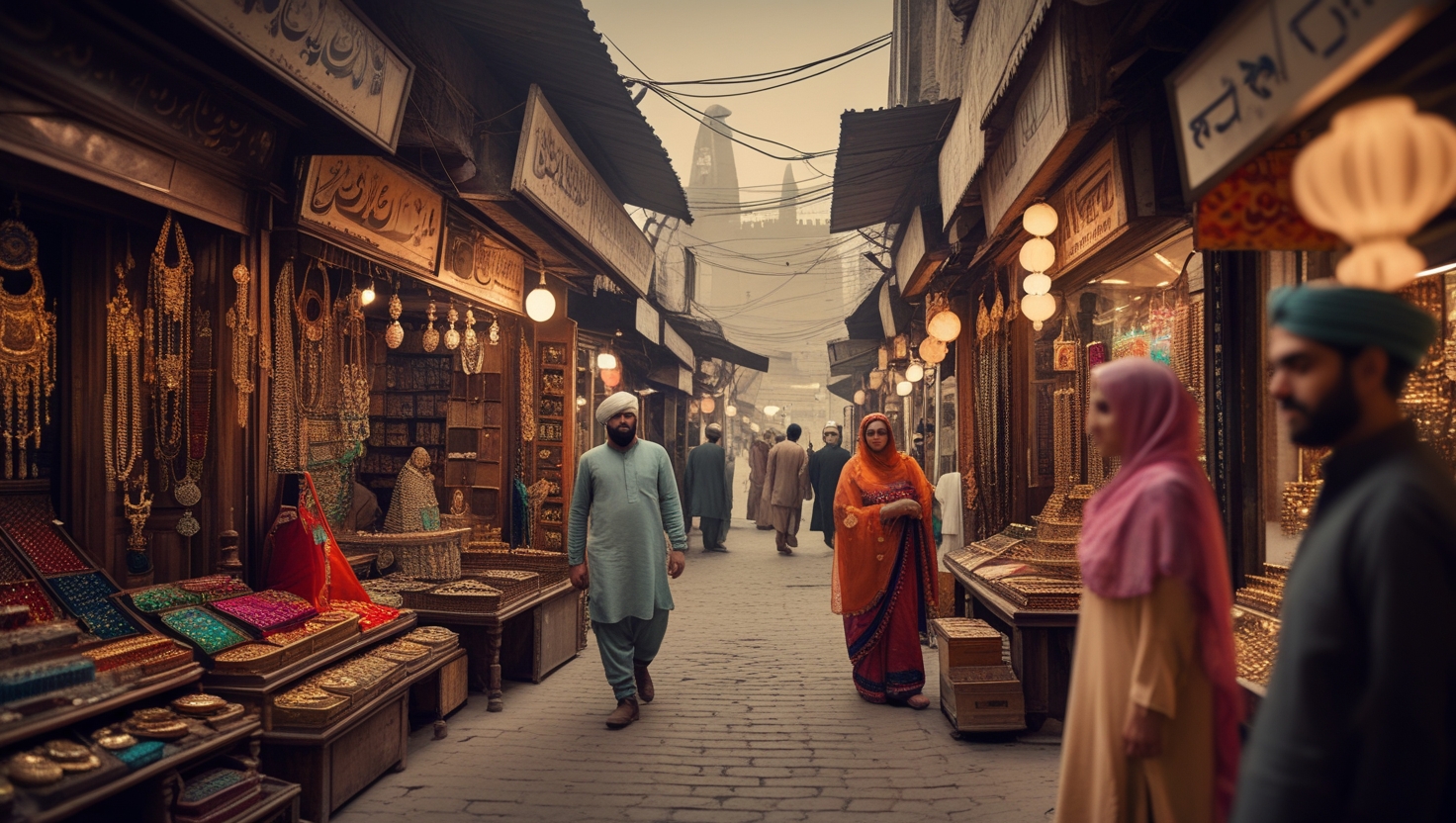
📷 [Visual Suggestion: Real-life photos of bridal shops, colorful bangles, and festive crowds]
📖 Indian Connection: A Shared Heritage
Indian readers will find Moti Bazaar similar to Delhi’s Dariba Kalan or Jaipur’s Johri Bazaar. These markets, like Moti Bazaar, preserve centuries-old traditions.
👉 Example: Ramesh, a teacher from Amritsar, recalls how his grandmother spoke about shopping trips to Rawalpindi’s Moti Bazaar before 1947, comparing it to family visits to Chandni Chowk today.
🔑 Economic & Cultural Importance
Moti Bazaar isn’t just about shopping—it’s an economic powerhouse and cultural guardian.
- Employment: Supports shopkeepers, artisans, goldsmiths, and daily wage earners.
- Cultural Heritage: Preserves Pakistan’s bridal and festive traditions.
- Tourism: Attracts heritage lovers and international visitors.
📊 [Visual Suggestion: Pie chart of major trade categories—jewelry, bridal wear, cosmetics, fabrics]
🚶 Challenges Facing Moti Bazaar
- Overcrowding: Narrow lanes packed with shoppers.
- Parking Issues: Lack of organized parking areas.
- Modern Competition: Malls and online shopping attract younger buyers.
- Maintenance: Need for better waste management and infrastructure.
⚡ Suggested Solutions: Urban planning, smart parking solutions, and cultural tourism promotion.
📷 [Visual Suggestion: Split graphic of current challenges vs modern solutions]
🛠️ Tips for Shoppers
- Best Time: Morning hours for less rush.
- Must Buys: Bridal lehngas, gold ornaments, glass bangles.
- Stay Alert: Keep belongings safe.
- Street Snacks to Try: Chaat, gol gappay, and falooda nearby.
✅ Bonus: Download our free PDF checklist for bridal shopping in Moti Bazaar.
🌟 Conclusion: A Timeless Jewel
Moti Bazaar is more than a marketplace—it’s a heritage landmark of Rawalpindi. From colonial beginnings to its modern glory, it remains the ultimate destination for bridal shopping and cultural experiences. Its bustling streets, glittering shops, and festive spirit tell stories of generations.
👉 Takeaway: A visit to Rawalpindi is incomplete without stepping into the colorful world of Moti Bazaar.
📷 [Visual Suggestion: Inspirational graphic with quote—“Markets preserve traditions; Moti Bazaar preserves elegance.”]